
Under the administration of President Donald Trump, the U.S. will no longer engage in “nation-building” in the Balkans. Instead, American policy will focus on stability, positive relations, economic cooperation, and concrete U.S. solutions for the countries in the region, writes MIA’s special correspondent from the U.S.
This message was conveyed by Daniel Lawton, Deputy Assistant Secretary for Western Central Europe and Southern Europe in the Bureau of European and Eurasian Affairs, during his testimony before the House Foreign Affairs Committee. His remarks come just ahead of Macedonian Prime Minister Hristijan Mickoski’s visit to Washington.
Macedonia has secured a specific place in the new U.S. vision for the region. Lawton’s prepared statement notes that the country is a close NATO partner, is fulfilling strategic priorities, and is making progress toward agreed-upon defense investment levels.
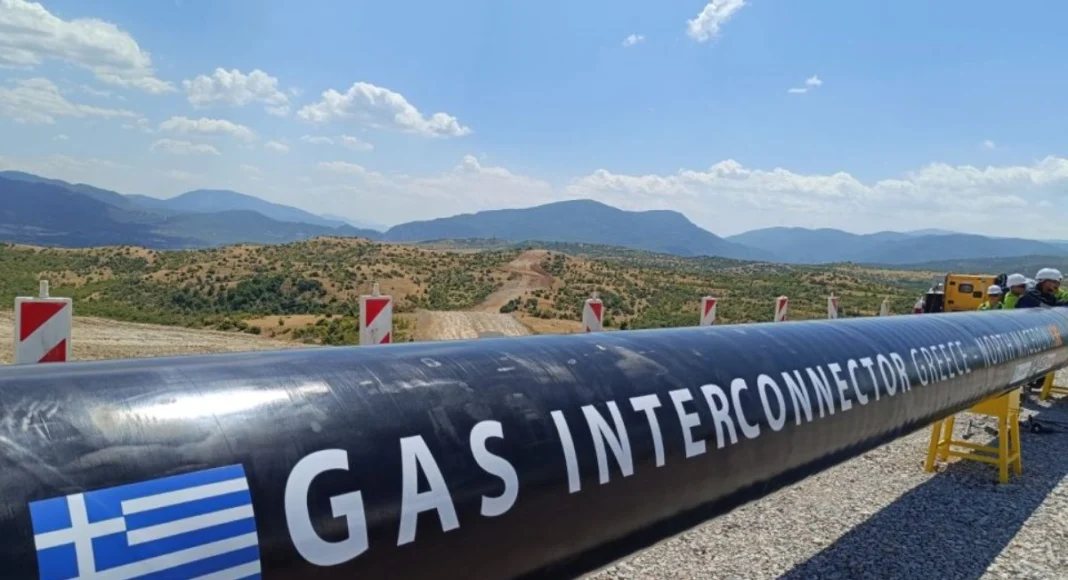
Washington also specifically highlights the country’s role as a regional energy crossroads. Macedonia is preparing to connect to the pipeline intended to transport U.S. liquefied natural gas (LNG) from Greece to Serbia, utilizing the port of Alexandroupoli.
At the same time, transport projects along north-south and east-west corridors are being developed. A readiness to cooperate specifically along these routes was reaffirmed during the U.S.-Macedonia Strategic Dialogue held in April.
The shift extends beyond the economy. Lawton’s responses to members of Congress also reveal a different American approach to political crises in the region.
This is precisely where the second part of the new formula comes into play. Instead of isolation and excessive political intervention, Washington wants to offer the Balkan states a reason to choose the United States of their own accord.