


The European Union is taking new steps to reduce its dependence on imports of critical minerals. European Commission President Ursula von der Leyen has announced the creation of a European Critical Raw Materials Corporation, aimed at procuring and stockpiling strategic materials essential for European industry and security.
“We must urgently secure and build our own reserves. No single country can do this alone,” said von der Leyen, announcing a new European institution dedicated to securing and stockpiling materials needed for electric vehicles, chips, batteries, clean technologies, and the defense industry.
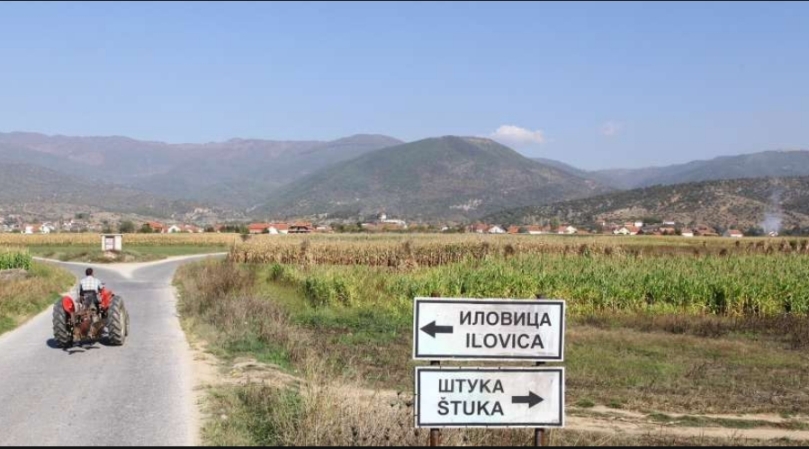
Among the critical raw materials available in Macedonia is the copper found at the Ilovica-Shtuka deposit, making this resource part of the broader European discussion on strategic independence and security of supply.
Earlier, some European think tanks called for Western Balkan candidate countries to be invited to actively participate in EU policies regarding critical minerals. For now, there is no official invitation; in any case, Macedonia cannot currently claim to be extracting large quantities of critical minerals, despite possessing them. Antimony reserves are currently being explored, but the most promising prospect for the extraction of critical raw materials lies in the confirmed copper deposit at Ilovica.
“We believe that a small group should not have the right to block the economic future of an entire country. Today, with copper prices reaching historic highs and Europe actively seeking reliable sources of critical minerals, Macedonia has the opportunity to harness its own mineral potential. Copper is crucial for power grids, electric vehicles, renewable energy sources, and the development of modern digital infrastructure. Given these circumstances, the Ilovica-Shtuka project cannot be treated merely as a local or political issue, especially considering it involves a resource of broader economic and strategic importance,” reads the initiative.
The Ilovica project entails the production of up to 16,000 tonnes of copper annually and represents an investment of approximately €350 million during the initial two years of construction. This also offers Macedonia the chance to integrate into European supply chains for critical raw materials, particularly regarding copper, which is currently breaking price records and approaching a value of $15,000 per tonne.